“Do you see me?”
It is a small question with a lot behind it, and it is the one at the heart of Learning Disability Week. The theme is about making sure people with a learning disability are seen, heard and valued in every part of life.
Around 1.5 million people in the UK have a learning disability, roughly one in 50. Yet too many children with learning disabilities grow up feeling overlooked, misunderstood or defined by a label rather than known as a person.
At Amegreen, that question is not just an idea to mark this week. It is the starting point of everything we do.
What Is a Learning Disability?
A learning disability affects the way someone learns, understands information and communicates, and it is a lifelong condition. It is different from a learning difficulty such as dyslexia, which affects specific areas of learning but not overall intellectual ability. The level of support a person needs varies widely, from occasional help to full-time care.
Why Being Seen Matters
Children with learning disabilities are more likely to face exclusion from school, social isolation and poorer mental health than their peers. Often this is not down to the disability itself but to systems that were never built with them in mind, systems that focus on what a child cannot do rather than what they can.
When a child is repeatedly misunderstood, they learn to expect it. They stop putting their hand up. They stop trying to explain. Some children show this through withdrawal, others through behaviour that gets labelled as challenging. The message underneath is the same: nobody sees me.
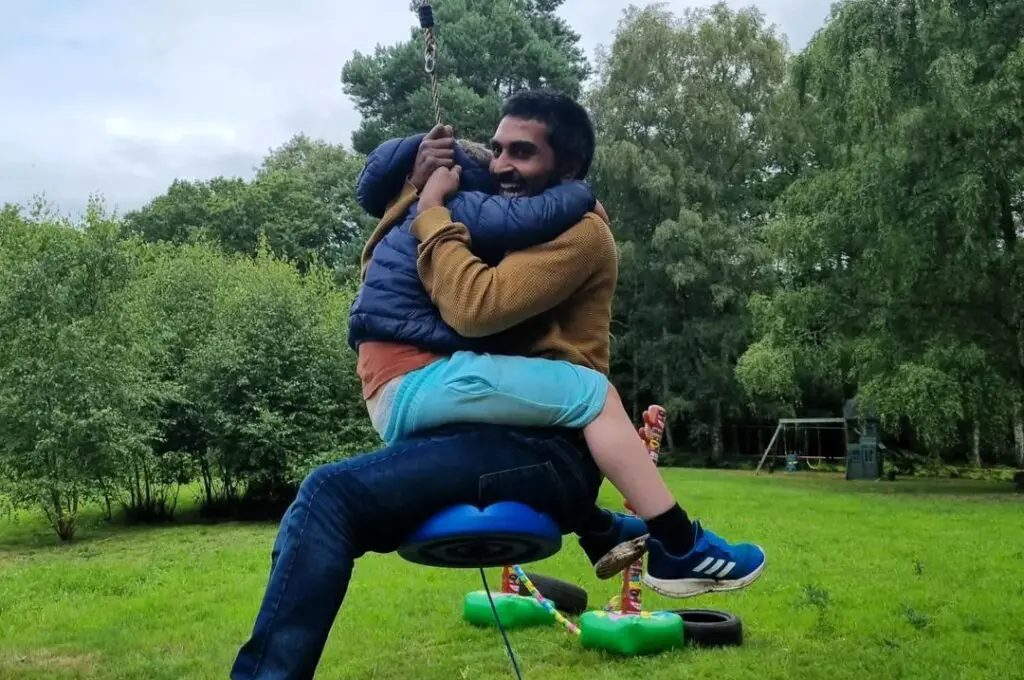
Truly seeing a child means looking past the diagnosis, the paperwork and the behaviour to the person underneath. What are they good at? What makes them laugh? What do they need to feel safe enough to learn?
How Does Amegreen Support Children with Learning Disabilities?
Across our homes and schools, our approach is therapeutic and relational. We start with the child, not the label.
Every young person we support has an individual plan built around their strengths, interests and needs. Our teams understand how trauma, communication differences and learning disabilities shape the way a child experiences the world, so we adapt our environment to the child rather than expecting the child to adapt to us.
Therapeutic care works because it builds support around the child’s history, strengths and communication needs rather than the diagnosis. Consistent trusted adults, stable routines and an environment shaped around the child all help them feel safe enough to learn and thrive.
Small things matter. Noticing when a young person needs quiet rather than questions. Celebrating progress that would never show up on a standard assessment. Giving a child time to communicate in their own way and at their own pace.
Seen at Home, Seen at School
For the children in our care, being seen cannot stop at the school gate or the front door. It has to run through every part of their day.
Life in our homes
Our homes are exactly that, homes. Warm, nurturing places where children can feel safe, settle and simply be children. Each one is designed to feel genuinely homely, because every child deserves to be known as an individual rather than managed as one of many.
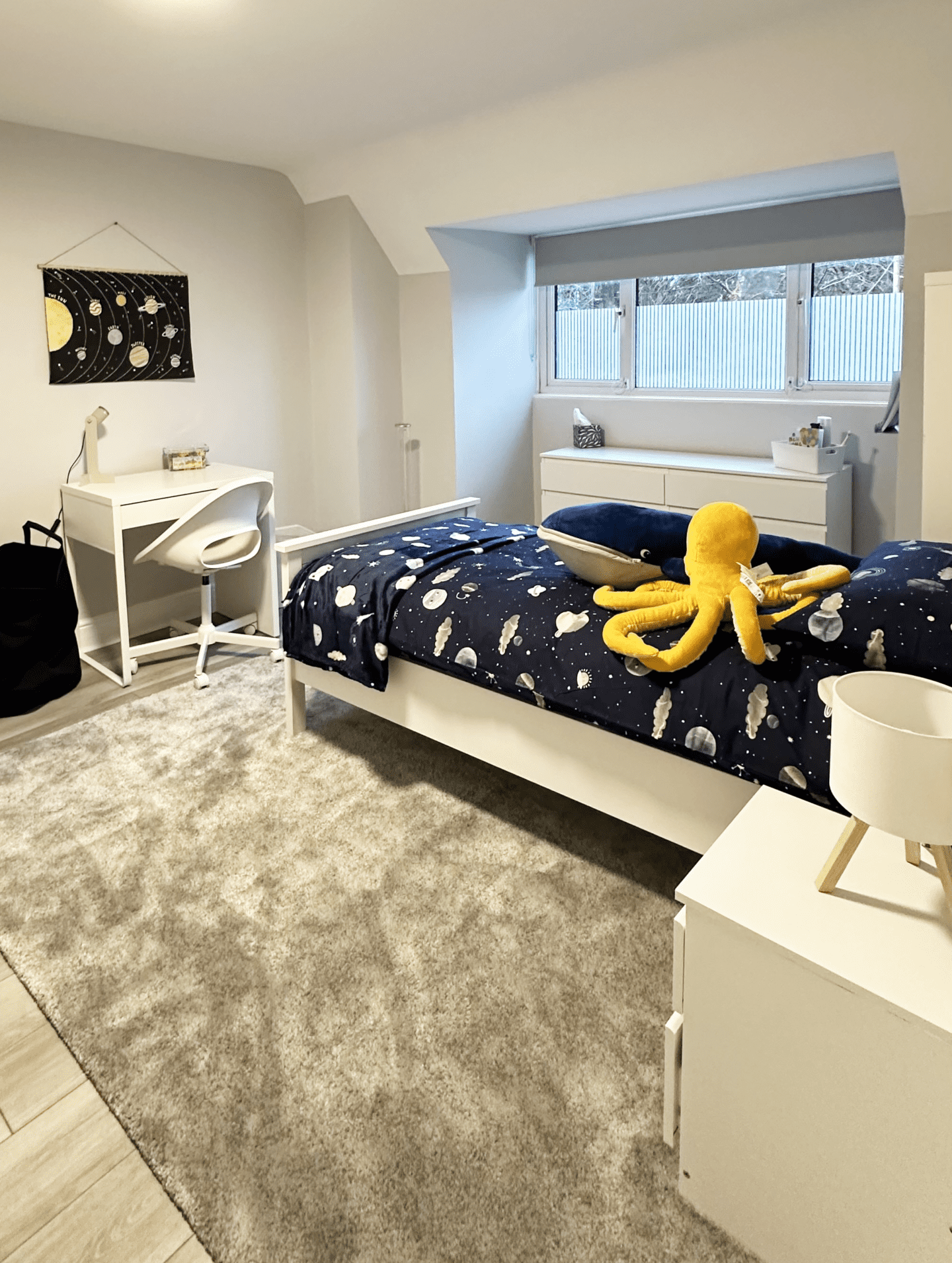
Being child centred is not a phrase on a poster for us. It shapes the everyday. Children have a real say in the things that matter to them, from how their bedroom looks to the meals we cook, the activities we plan and the goals they want to work towards. We listen to what each child tells us, in words and in behaviour, and we shape their care around it.
Consistent, trusted adults are at the heart of this. Our teams take time to learn each child’s history, preferences and ways of communicating, and they show up day after day. Stability and routine give children the security to be themselves, while patience, warmth and unconditional care help them learn that adults can be safe and relationships can be trusted.
We notice the small signs, good and difficult, that tell us how a child is really doing. And we celebrate everything. The first full week at school. A new friendship. Trying a new food. Progress that looks small on paper can be enormous in a child’s life, and in our homes it never goes unseen.
Learning in our schools
In our schools, it means education shaped around the learner. Small groups, flexible teaching and a curriculum that meets children where they are, so learning becomes a place of success rather than another setting where they feel they fall short. When home and school work as one team around the child, no part of their life goes unseen.
What Can Professionals Do During Learning Disability Week?
Whatever your role or profession, Learning Disability Week is a good moment to ask whether a child you support feels seen. A few starting points:
- Ask the child, in whatever way works for them, how they want to be supported rather than assuming
- Look at strengths first when reviewing a plan, not just needs and risks
- Consider whether the current setting fits the child, or whether the child is being asked to fit the setting
This aligns with the SEND reforms and the Preparing for Adulthood agenda, which are clear that success is about real-life outcomes such as relationships, confidence and independence, not education alone.
If you would like to talk about how we support children to feel seen, heard and valued, our team is always happy to have a conversation.
Do You See Me? We Do.
“Do you see me?” should not be a question any child has to ask. This Learning Disability Week, and every week, our answer at Amegreen is simple. Yes. We see you. And we will keep building places where every child is seen, heard and valued.
Amegreen Children’s Services provides therapeutic residential care and education across West Berkshire and Hampshire. Every child seen, heard and valued.