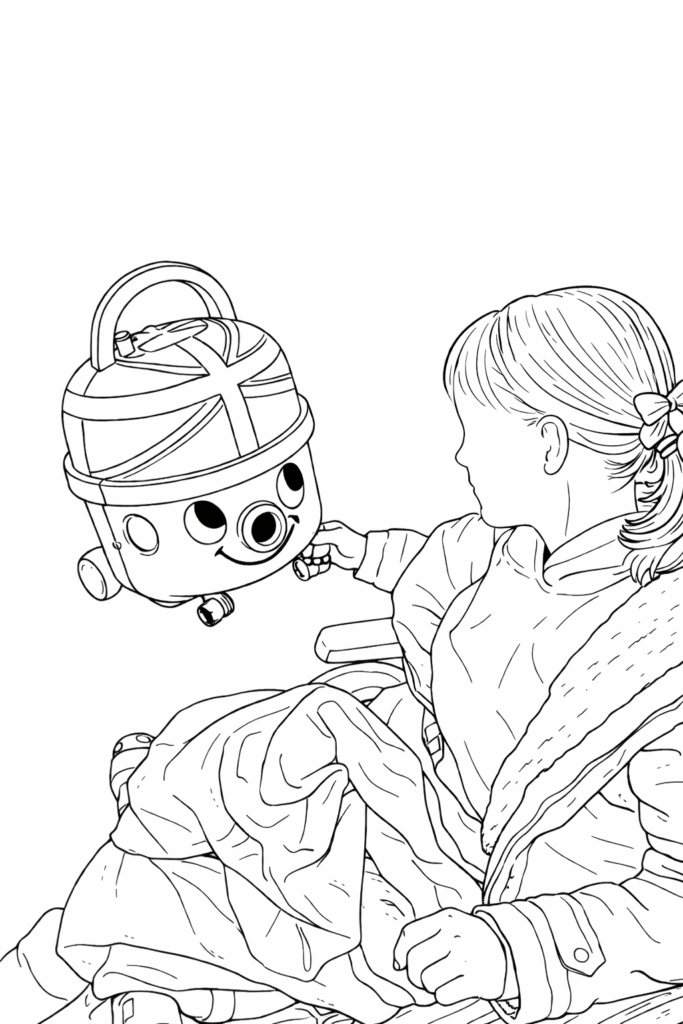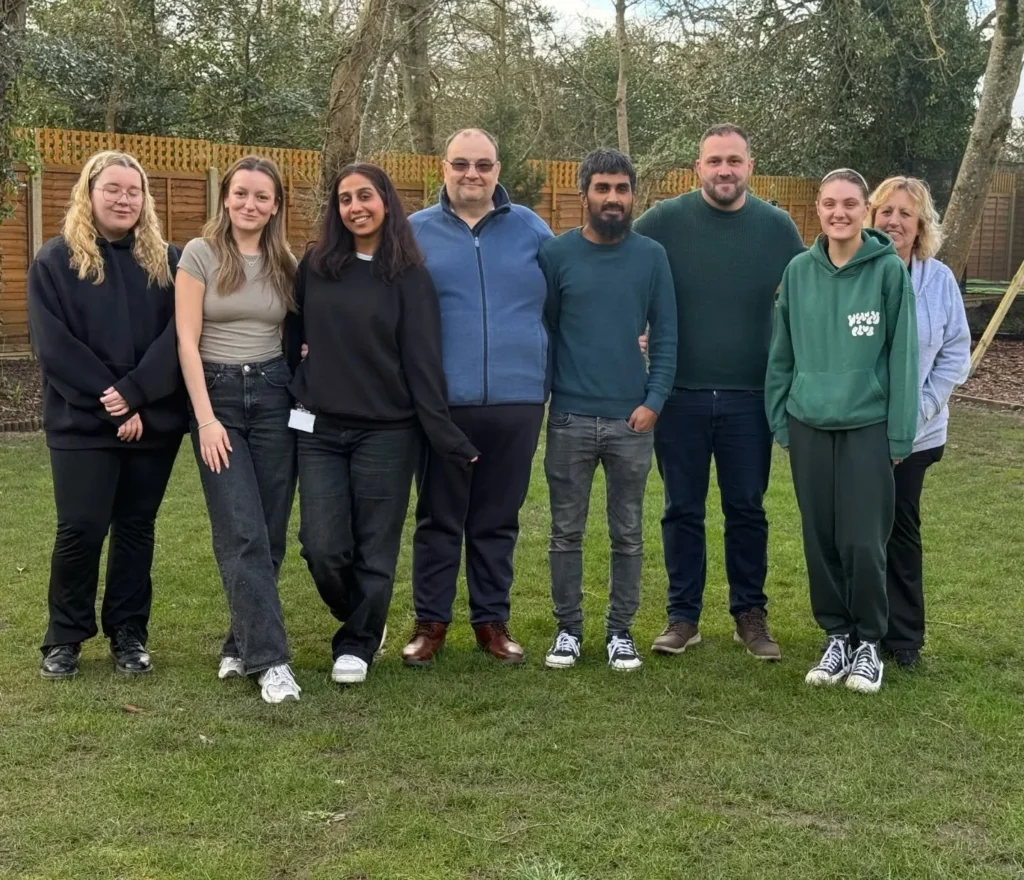
How our therapy team supports the children we care for who communicate without words, and a new pilot programme transforming everyday play into something profoundly therapeutic.
Some of the children who live in our homes at Amegreen have profound and complex learning disabilities. Many have very limited spoken language, or none at all. Some have restricted mobility. Some find eye contact difficult or can only hold it for a moment. Most have lived through significant change, loss or disruption before coming to live with us.
This blog is about that work, and about a new piece of therapeutic practice we have introduced at one of our learning disability homes that is already making a real difference.
What Therapeutic Work with Children with Complex Disabilities Really Looks Like
In many ways the work is a kind of detective work: constantly observing, wondering, staying curious. What is this child trying to let us know? What does play look like for a child with restricted mobility and very limited language? How do you build a relationship with a child for whom even a few seconds of eye contact is hard?
Across all our therapeutic work, we are guided by DDP and the PACE principles: playfulness, acceptance, curiosity and empathy. These are not techniques applied to a child. They are a way of being with a child, every day, that runs through our homes as well as our therapy room.
A New Pilot at Willow Brae: Putting Attachment Into Everyday Play
Earlier this year, one of our therapists completed training in a model called Parent Child Attachment Play, or PCAP. PCAP is a structured intervention that builds the relationship between a child and their primary caregiver through play. Traditionally it is delivered in a family home, with one parent and one child.
We believed PCAP could offer something powerful to children with complex disabilities too, but it would need careful adaptation for the residential setting. The starting point was a child who had already been assessed at Willow Brae, our learning disability home. He was a very young child, with a great deal of change in his life and the likelihood of further moves ahead. Building yet another therapeutic relationship with a new adult did not feel like the most helpful thing for him. What he needed was for the adults already in his life, every day, to grow even closer to him.
With the support of Mel, Willow Brae’s registered manager, the pilot launched in February. Across two to three months, our therapist ran eight sessions with Willow Brae’s senior team. Together they worked through the model in stages.
What the Model Teaches
PCAP brings together three core skills:
- Child-led play: letting the child take the lead, following their interests and rhythm rather than directing the play.
- Gentle structure and containment: helping the play feel safe through small, predictable boundaries.
- Reflective functioning: letting the child know, often without words, that you are thinking about them, holding them in mind and noticing how they might be feeling.
That third skill, in particular, sits beautifully alongside our wider PACE approach. PCAP did not feel like a new philosophy bolted on. It felt like a natural extension of how we already work.
“You and me playtime”
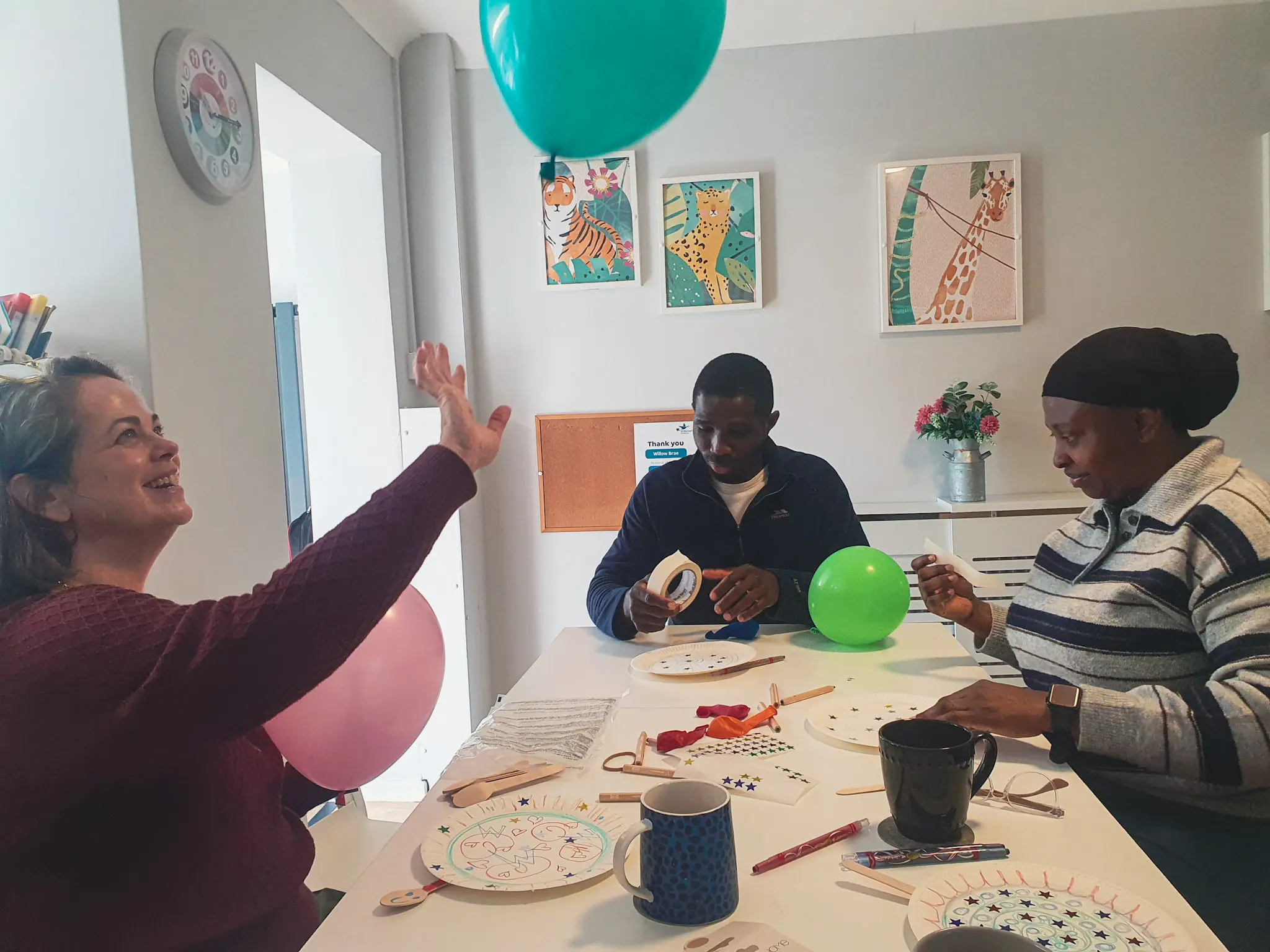
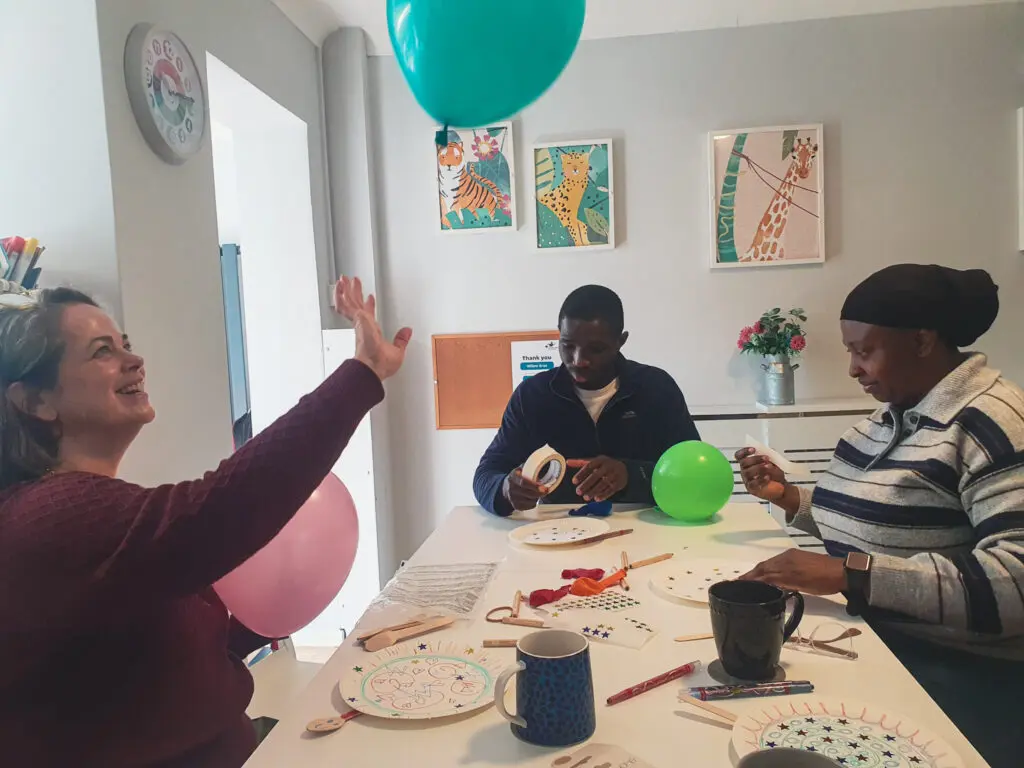
Between sessions, the team set up what they called “you and me playtimes”. Each adult committed to a regular, dedicated half hour of one-to-one play each week with their key child. No interruptions. No phones. The same day, the same time each week wherever possible.
What Changed for the Children
One child, who had previously had quite limited eye contact, was beginning to seek out connection through eye gaze, both during play and more generally around the home. The same child, who has very little spoken language, seemed to be developing a broader range of vocalisations. These are small, quiet shifts that are easy to miss unless you are paying close attention. For a child with profound communication needs, they are anything but small.
Another child began to anticipate her playtime each week. She knew it was coming. She looked forward to it. For a child whose life has held a great deal of disruption, having something predictable, dedicated and just for her was clearly very important.
“There is so much that has to be done every day. So many care needs and practical things. Just having a place to stop, slow down and think about the children has been hugely helpful.”
Why This Kind of Support Matters
Our commitment is that no child in our care is ever forgotten in this way. Having a dedicated therapy team that works in parallel with our homes gives us the space to keep thinking, really thinking, about each child’s emotional world. The home is busy, full of life and care, as it should be. The therapy team can hold a slightly different, quieter space alongside it: one dedicated to wondering, together with the staff team, about how the world feels for that child today.
What Happens Next
Following the success of the initial work at Willow Brae, the next step is to upskill more members of the team in a shorter format, so that more adults in the home can offer this kind of dedicated play. Longer term, we are also keen to invest more deeply in Intensive Interaction training across all our learning disability homes, alongside the therapeutic work we already offer.
At Amegreen, we are proud of the careful, attentive and deeply human work that goes on in our learning disability homes every day. The children we care for may not always be able to tell us how they feel, but they are always listened to and always at the centre of what we do.