

Big Season, Big Feelings: A Trauma-Informed Approach to December
December can feel intense, even for adults. The days are shorter, routines shift, people take leave and expectations rise. It's a month full of noise, movement and social pressure, alongside the quieter weight of endings and new beginnings.
For many children and young people, these shifts don't just feel "busy" - they can feel unsafe. And for children living in care, December can bring an added layer of emotion linked to separation, loss and complicated family relationships.
At Amegreen, we recognise that Christmas can make those feelings sharper. We work closely with other professionals and families to support contact wherever it is safe and in the child's best interests. When contact is not possible, we stay alongside our children with empathy and consistency, giving them time, space and support to process whatever comes up.
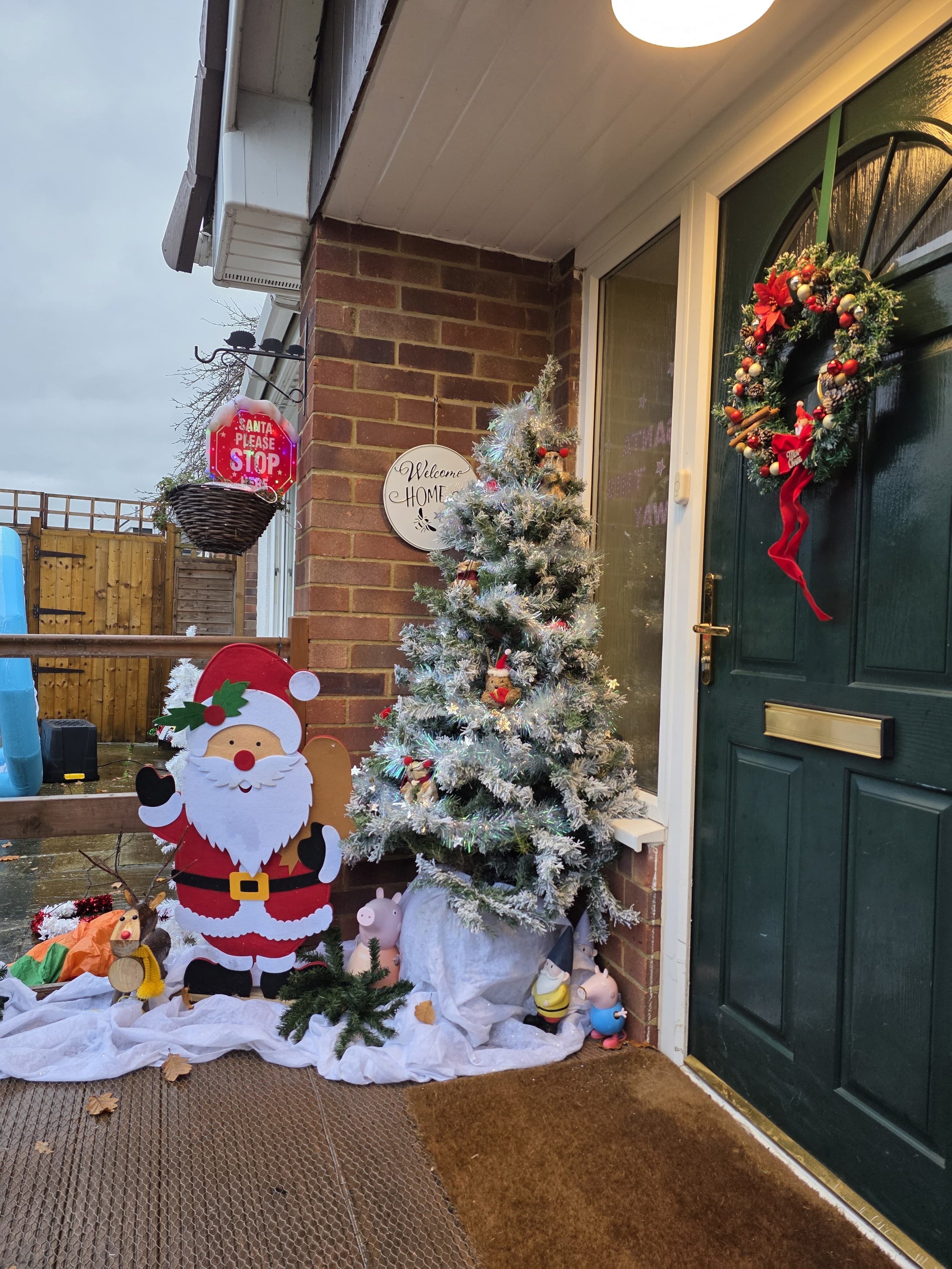
Why December can hit differently
The festive season can be exciting, but it can also feel uncertain. The same things that feel “fun” for one person can be overwhelming for another, such as: changes in routine, unfamiliar adults, louder spaces, sensory overload, disrupted sleep and higher expectations.
For some children living in care, it can also highlight the fact that they are not with their own families at Christmas, which may bring sadness, anger, grief or mixed feelings that are hard to put into words.
You might notice this showing up as:
higher anxiety or irritability
restlessness or impulsive behaviour
withdrawal, low mood or shutting down
sleep difficulties
lower motivation, particularly around learning or tasks
These aren't "bad reactions". They're often a nervous system response to a month that feels less predictable. They can also be a response to what December represents emotionally, including feelings around family, belonging and loss.
A trauma-informed approach starts by asking a better question: not "What's wrong?" but "What's happening underneath this?"
What we focus on in December
We assume change can feel unsafe
Even positive change can be unsettling for young people with a history of instability. When routines shift and familiar support pauses, it can trigger uncertainty that shows up in behaviour, mood or disengagement. We don't treat this as something to "manage away". We treat it as communicationWe keep things steady, without being rigid
Predictability matters. It doesn't mean doing the same thing every minute of the day. It means creating a reliable rhythm that helps a young person feel anchored. Consistent routines, clear plans and gentle preparation before transitions can make a big difference when the outside world feels full-on.We use PACE to protect connection when feelings run high
PACE is a trauma-informed way of relating that helps young people feel safe enough to stay connected, even in difficult moments. It stands for Playfulness, Acceptance, Curiosity and Empathy.PACE supports us to stay calm and compassionate, reduce shame and remain curious about what a young person might be communicating underneath the surface, especially during a season that can stir up powerful emotions.
We reduce pressure and keep expectations realistic
December can come with unspoken rules: join in, be cheerful, cope with busy spaces, behave perfectly. For some young people, that pressure can be the spark that tips them into overwhelm.We keep boundaries consistent because safety needs structure, but we remove unnecessary emotional weight and focus on what's manageable. We also make space for grief, anger or sadness without judgement.
We make participation optional, without shame
Not every young person wants to celebrate. Not every young person finds comfort in traditions other people take for granted. We offer choice and flexibility while staying consistent in our care. We make it OK to step back, take a break or engage in small ways, rather than expecting full participation. We take things at the young person's pace, because pressure rarely leads to safety.We plan for sensory overload before it happens
Bright lights, noise, disrupted sleep and last-minute changes can all impact regulation. Trauma-informed care is proactive. We build in calmer moments and make sure there is always a way for a young person to reset.When someone is overwhelmed, we prioritise regulation first and conversation second. This can be particularly important for young people with additional needs, including learning disabilities, where sensory and routine changes may feel even more intense.
We notice the small wins because they’re real progress
In December, progress is often quieter. It might look like asking for space instead of storming out, returning after a difficult moment, accepting support, sleeping a little better or trying again the next day. These are signs of growing trust, safety and emotional skill.
A calm December doesn’t have to look festive
At Amegreen, we don't measure success by how "Christmassy" things look. We measure it by how safe they feel.
Sometimes the most meaningful moments in December are the simplest: a predictable routine, a calm evening, a shared meal or a trusted adult staying steady when feelings are big. For young people who have learned that adults can be unpredictable, those moments matter. They build foundations that make learning, independence and wellbeing more possible - not just in December, but long after it.
Big seasons bring big feelings, but with the right support, young people don't have to carry them alone.
Read more about Amegreen’s approach or view current vacancies.